NPT vs. BSP Threads: Key Differences and Applications
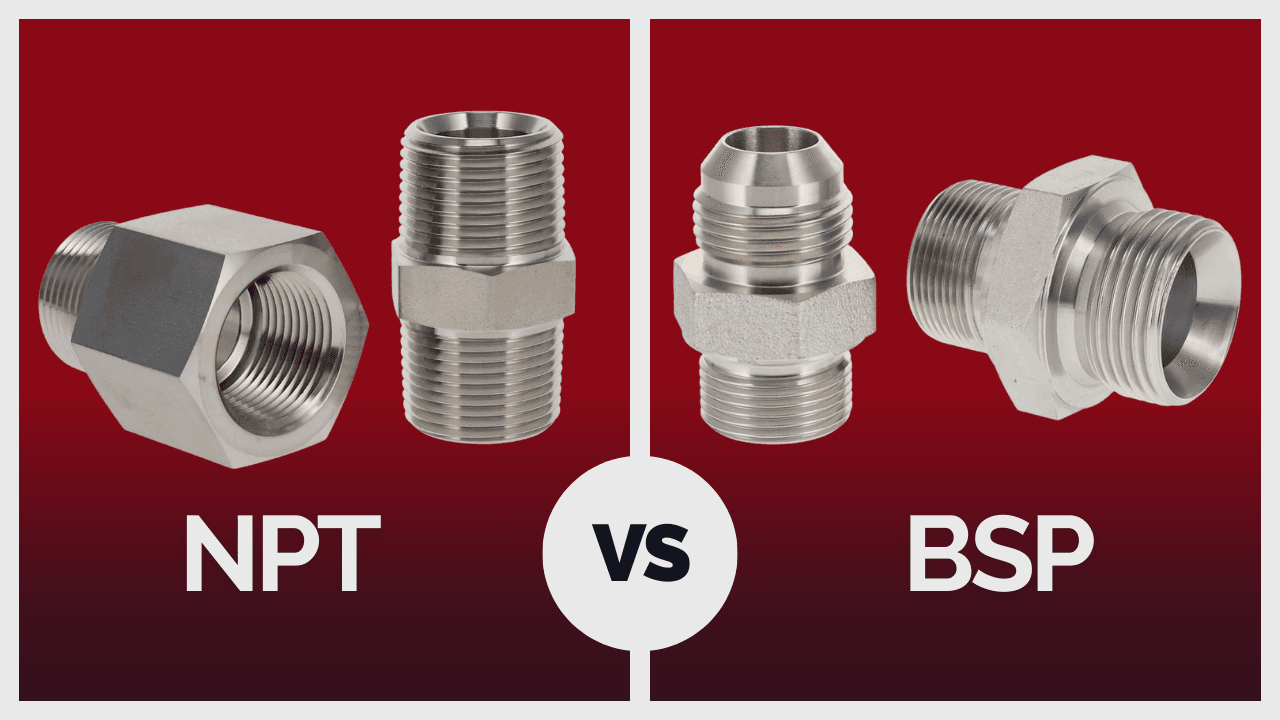
In the world of plumbing and piping, understanding the different types of threads is crucial for ensuring compatibility and functionality. Two of the most commonly used thread types are National Pipe Tapered (NPT) and British Standard Pipe (BSP) threads. While they may seem similar at first glance, there are significant differences that can impact their application in various industries. This article delves into the key differences between NPT and BSP threads, their specific applications, and best practices for use.
Understanding NPT Threads
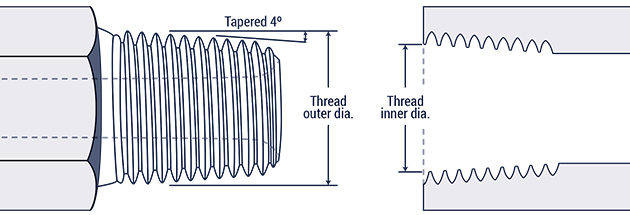
National Pipe Tapered (NPT) threads are a standard in the United States and are widely used in various applications, especially in plumbing and gas fittings. The NPT thread design features a tapered profile, which means that the diameter of the thread decreases along its length. This taper allows for a tighter seal when the threads are engaged, making them particularly suitable for high-pressure applications.
Characteristics of NPT Threads
NPT threads are characterized by their 60-degree thread angle and a taper of 1 inch per 16 inches. This design not only helps in achieving a secure fit but also minimizes the risk of leakage. The threads are typically measured in inches, and the sizes range from 1/8 inch to 6 inches or more, depending on the application.
Another important aspect of NPT threads is that they require the use of sealing compounds or Teflon tape to ensure a leak-proof connection. The taper creates a wedging effect when tightened, which helps to form a seal but is not sufficient on its own to prevent leaks without additional sealing materials. This necessity for sealing aids also means that proper installation techniques are critical; if the tape or compound is improperly applied, it can lead to compromised seals and potential hazards, especially in gas applications.
Applications of NPT Threads
NPT threads are predominantly used in the United States and are ideal for applications involving liquids and gases under pressure. Common applications include:
- Water supply systems
- Natural gas pipelines
- Hydraulic systems
- Pneumatic systems
Due to their robust sealing capabilities, NPT threads are often found in industrial settings, such as manufacturing plants and oil refineries, where safety and reliability are paramount. In addition to these sectors, NPT threads are also utilized in residential plumbing systems, where they connect various fixtures and appliances, ensuring that water flows safely and efficiently throughout the home. The versatility of NPT threads extends to HVAC systems as well, where they are used to connect components that require secure and leak-proof fittings, particularly in high-pressure environments.
Furthermore, the standardization of NPT threads allows for compatibility across a wide range of products and manufacturers, making it easier for engineers and contractors to source materials without worrying about compatibility issues. This uniformity is crucial in large-scale projects where multiple suppliers may be involved, ensuring that all components fit together seamlessly. As industries evolve and new materials are developed, the adaptability of NPT threads continues to play a significant role in modern engineering and construction practices.
Understanding BSP Threads
British Standard Pipe (BSP) threads are primarily used in the United Kingdom and other countries that follow British standards. Unlike NPT threads, BSP threads come in two variations: BSPT (tapered) and BSPP (parallel). The tapered version is similar to NPT, while the parallel version features straight threads, which require a sealing washer or O-ring for leak prevention.
Characteristics of BSP Threads
BSP threads have a 55-degree thread angle, which differentiates them from NPT threads. The taper of BSPT threads is also designed to create a seal, but they do not require as much force to achieve a secure fit compared to NPT threads. Sizes for BSP threads are typically measured in inches, similar to NPT, but the actual dimensions can differ, leading to compatibility issues if not carefully matched.
Another key difference is that BSP threads do not generally require sealing tape or compounds, especially in the case of BSPP threads, which rely on a gasket or O-ring to create a seal. This can simplify installation and maintenance in some applications.
Applications of BSP Threads
BSP threads are commonly used in a variety of applications, particularly in plumbing and hydraulic systems. Some typical uses include:
- Water supply and drainage systems
- Heating systems
- Compressed air systems
- Fuel distribution
In addition to plumbing, BSP threads are also prevalent in agricultural and industrial machinery, where they are used to connect various components securely.
Key Differences Between NPT and BSP Threads
While both NPT and BSP threads serve similar purposes in connecting pipes and fittings, several key differences set them apart. Understanding these differences is essential for selecting the right thread type for a specific application.
Thread Angle and Design
One of the most notable differences is the thread angle. NPT threads feature a 60-degree angle, while BSP threads have a 55-degree angle. This difference affects how the threads engage and seal. The taper of NPT threads creates a wedging effect, which can lead to a more secure fit but also requires careful handling to avoid over-tightening.
In contrast, BSP threads are designed to be more forgiving in terms of installation, particularly the parallel BSPP threads, which can be easier to connect and disconnect without the risk of damaging the threads.
Sealing Methods
Another significant difference lies in the sealing methods used for each thread type. NPT threads typically require Teflon tape or a sealing compound to achieve a leak-proof connection. This additional step can be time-consuming but is necessary to ensure safety and reliability.
BSP threads, particularly the parallel variety, can utilize sealing washers or O-rings, which can simplify the installation process. However, it's important to ensure that the correct sealing method is employed based on the specific application to prevent leaks.
Interchangeability and Compatibility
Interchangeability between NPT and BSP threads is a common concern. Due to the differences in thread angle and design, NPT and BSP fittings are not directly compatible. Attempting to connect these two thread types can lead to leaks and potential system failures.
For example, using an NPT fitting with a BSP threaded pipe can result in a poor fit, as the threads will not engage properly. It is crucial to verify the thread type before making any connections to ensure compatibility and maintain system integrity.
Choosing the Right Thread Type for Your Application
Selecting the appropriate thread type is vital for the success of any plumbing or piping project. Several factors should be considered when making this decision.
Consider the Location
The geographical location of the project can significantly influence the choice between NPT and BSP threads. In the United States, NPT threads are the standard, while BSP threads are more common in the UK and other countries. Understanding local standards and regulations can guide the selection process.
Assess the Application Requirements
Different applications may have specific requirements that dictate the choice of thread type. For instance, high-pressure gas systems may benefit from the robust sealing capabilities of NPT threads, while water supply systems may find BSP threads more suitable due to their ease of installation.
Additionally, consider the materials involved in the application. Some materials may be more compatible with one thread type over the other, impacting the overall performance and longevity of the connection.
Evaluate Maintenance and Repair Considerations
Maintenance and repair ease should also factor into the decision-making process. BSP threads, particularly the parallel version, can be easier to work with during maintenance due to their design, which allows for simpler disassembly and reassembly.
On the other hand, NPT threads may require more careful handling during maintenance to avoid damaging the threads or compromising the seal. Understanding the long-term maintenance needs of the system can help in selecting the most appropriate thread type.
Best Practices for Working with NPT and BSP Threads
When working with NPT and BSP threads, following best practices can help ensure successful installations and minimize the risk of leaks or failures.
Proper Installation Techniques
For NPT threads, it is essential to apply sealing tape or compound evenly and avoid over-tightening the connection. Over-tightening can lead to thread damage and compromise the seal. A good rule of thumb is to tighten the fitting until it is snug and then give it an additional quarter turn.
In contrast, when working with BSP threads, ensure that the sealing washer or O-ring is correctly positioned before tightening the connection. This will help achieve a secure seal without the risk of damaging the threads.
Regular Inspections and Maintenance
Regular inspections of threaded connections are crucial for identifying potential issues before they escalate. Look for signs of leakage, corrosion, or wear and tear on the threads. Early detection can save time and resources in the long run.
In addition, routine maintenance should include checking the integrity of sealing materials, such as Teflon tape or O-rings, and replacing them as needed to maintain a reliable seal.
Training and Education
Investing in training and education for personnel involved in plumbing and piping work can significantly enhance the quality of installations and maintenance. Understanding the differences between NPT and BSP threads, as well as proper installation techniques, can lead to safer and more efficient operations.
Conclusion
In summary, NPT and BSP threads are both essential components in the plumbing and piping industries, each with its unique characteristics and applications. Understanding the key differences between these thread types is crucial for ensuring compatibility and functionality in various systems.
By considering factors such as location, application requirements, and maintenance needs, professionals can make informed decisions when selecting the appropriate thread type. Following best practices for installation and maintenance will further enhance the reliability and safety of threaded connections, ultimately leading to successful project outcomes.
Whether working with NPT or BSP threads, knowledge and attention to detail are paramount in achieving optimal performance in plumbing and piping systems.
Find the Right Fittings for Your Project at Titan Fittings
When it comes to ensuring the functionality and compatibility of your plumbing and piping systems, the quality of your fittings is paramount. At Titan Fittings, we specialize in providing superior stainless steel fittings, hose fittings, valves, and adapters that are perfect for a wide range of industrial applications. Whether you're working with NPT or BSP threads, our products are engineered with precision to meet the high standards of hydraulic systems. For reliable and durable solutions tailored to your specific needs, Shop Now at Titan Fittings and secure the components you need for a successful project.
Associated FAQs: Pipe Thread Identification
Frequently Asked Questions
What is the difference between NPT and BSP threads?
NPT (National Pipe Taper) and BSP (British Standard Pipe) are different thread standards used in industrial piping systems.
NPT threads have a 60-degree thread angle and are typically tapered. BSP threads have a 55-degree thread angle and are available in tapered (BSPT) and parallel (BSPP) configurations.
These differences affect thread engagement, sealing methods, and compatibility. Titan Fittings recommends identifying the correct standard before installing or replacing threaded components.
Can NPT and BSP fittings be connected together?
NPT and BSP fittings generally should not be connected directly because their thread angles, pitches, and profiles differ.
Although some sizes may appear similar and partially engage, mixing incompatible threads can result in leaks, damaged fittings, or connection failure.
Titan Fittings recommends using an appropriately rated NPT-to-BSP adapter when transitioning between thread standards.
How can you identify NPT versus BSP threads?
NPT and BSP threads can be identified by measuring thread diameter and pitch, checking whether the threads are tapered or parallel, and comparing their dimensions against recognized thread standards.
NPT threads use a 60-degree thread profile, while BSP threads use a 55-degree profile.
A thread pitch gauge, caliper, and reference chart are the most practical tools for identification. Because some thread sizes are very similar, Titan Fittings recommends verifying multiple dimensions rather than relying on appearance alone.
What is the difference between BSPT and BSPP threads?
BSPT (British Standard Pipe Taper) threads are tapered and typically use thread engagement with an appropriate sealant to create a pressure-tight connection.
BSPP (British Standard Pipe Parallel) threads have a constant diameter and generally rely on a sealing washer, O-ring, bonded seal, or another designed sealing surface.
Titan Fittings recommends confirming both the thread type and intended sealing method when choosing BSP fittings.
Do NPT and BSP threads require different sealing methods?
Yes. NPT threads commonly use a compatible thread sealant to fill the small gaps between engaged threads.
BSPT connections may also require thread sealant, while BSPP connections typically seal through a washer, O-ring, or dedicated sealing surface rather than the threads themselves.
Titan Fittings recommends using the sealing method specified for the connection and fluid service. Thread sealant should not be applied indiscriminately to every fitting type.
How can I tell whether a pipe fitting is NPT or BSP?
Start by measuring the fitting's thread diameter with a caliper and checking the thread pitch with a gauge. Next, determine whether the thread is tapered or parallel.
Compare these measurements against NPT and BSP thread charts to identify the correct standard. A visual inspection alone is not reliable because some sizes look nearly identical.
Titan Fittings offers thread identification resources to help customers verify compatibility before ordering replacement components.
How do I measure male and female pipe threads?
For male pipe threads, use a caliper to measure the outside thread diameter. For female pipe threads, measure the internal thread diameter at an accessible reference point.
Next, determine the threads per inch (TPI) or pitch using a thread gauge. For tapered threads, measurement location matters because the diameter changes along the thread.
Titan Fittings recommends comparing the measurements with an appropriate thread standard chart rather than assuming the measured diameter equals the nominal fitting size.
What is the difference between nominal pipe size and actual diameter?
Nominal Pipe Size (NPS) is a standardized designation used to identify pipe sizes. It does not always equal the actual inside or outside diameter.
For example, a nominal 1-inch pipe has a standardized outside diameter of 1.315 inches. Its inside diameter varies with wall thickness and pipe schedule.
Titan Fittings recommends checking nominal size, actual dimensions, and pipe schedule when choosing fittings, reducers, or adapters.
How do I determine the correct replacement pipe fitting?
To identify a replacement fitting, verify the existing fitting's connection type, thread standard, nominal size, material, and pressure rating.
Also check the system's operating temperature, fluid compatibility, and sealing requirements.
Titan Fittings recommends matching the complete fitting specification rather than relying on physical appearance or approximate thread engagement. This helps reduce leakage, installation problems, and premature component failure.
What tools are needed to measure pipe fittings accurately?
Common measurement tools include a digital or vernier caliper, thread pitch gauge, ruler, and pipe-thread identification chart.
For more demanding inspections, specialized thread gauges and calibrated measuring equipment may be necessary.
Titan Fittings recommends recording thread diameter, pitch, thread type, and nominal size before ordering replacement fittings.
More questions: Pipe Thread Identification, Sizing & Standards