Supply Chain Disruption in the American Hydraulics Industry - When Will it End?
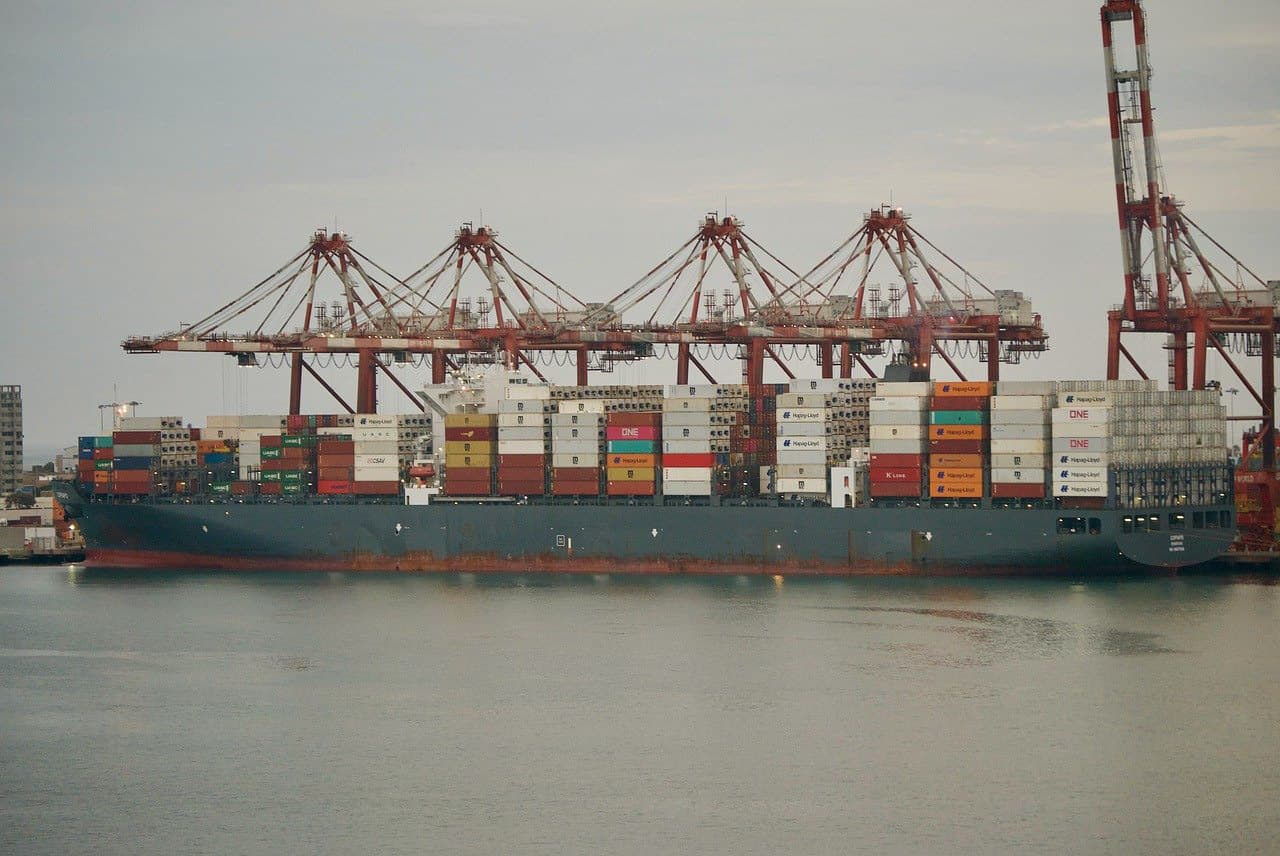
The impact of the COVID-19 pandemic has been felt in various sectors and industries all across the globe, thereby taking its toll on the global economy. The Pipe, Valve, and Fitting(PVF) industry and the hydraulics market, for example, are facing a set of obstacles that experts are describing as the perfect storm, the most pertinent of which is the supply chain disruption across the world.
Along with the major decline in the demand for products, production across the PVF and hydraulic industries has been limited due to the raw material shortage resulting from the COVID pandemic. Moreover, the decline in exports and the overall disruption of the global supply chain are the two major factors contributing to the decline in production. As a result, the PVF and hydraulics industry are facing a lower estimated year-on-year growth rate than last year.
Growing Construction Activities will Drive Demand for Hydraulic Equipment
As it has been in the last few years, a significant factor that will drive the growth of the hydraulics market will be the increase in construction activities. Across the world, primarily in developing economies, investments in infrastructural development are growing. An example is the investments in the development of sports facilities and infrastructure by the U.S government.
The overall growth in construction activities worldwide will help to increase the demand for hydraulic equipment, such as hydraulic cranes, loaders, and excavators. Moreover, a combined study by Global Construction Perspective (GCP) and Oxford Economics shows that by the year 2030, the construction industry is expected to climb to a value of 15.5 trillion USD. The majority of this growth comes from infrastructural growth in China, India, and the United States. These developments are expected to increase the worldwide demand for hydraulic equipment.
High Manufacturing and Maintenance Costs
Notably, hydraulic equipment manufacturing requires metal forging and precision engineering to create high-quality hydraulic systems. For small and medium enterprises, there are hence various cost barriers to enter the market. Other than the more obvious initial manufacturing costs, these enterprises also incur maintenance costs over time.
Several factors can contribute to increased maintenance costs, including oil leakages in hydraulic cylinders and the predisposition of hydraulic rods to become bent over time. Therefore the quality of the end products and materials needs to be regularly examined.
Smart Hydraulic Equipment and Availability of Substitute Product
To offer better solutions to their customers and develop upgraded hydraulic systems, several companies in the hydraulic industry are investing in research and development. Companies are forced to periodically upgrade their products due to tense competition within the industry. One of the most recent and significant innovations in the market is the development of smart hydraulic equipment.
Moreover, it must be noted that hydraulic systems are operated by oil, any leakage of which causes contamination in the surroundings. Hence, many end users are looking for cleaner alternatives. The pneumatic system is one such alternative as it uses the pressure of compressed gas to produce a force.
Final Words
As the hydraulics industry continues to adapt to the obstacles created by supply chain disruptions following the COVID pandemic, more and more innovations, and alternative solutions will come to light.
Moreover, given that the hydraulics market is expected to escalate in demand over the next decade, these adaptations come when the hydraulics industry needs to consider how to make possible the large-scale growth expected in the near future.
Frequently Asked Questions
What causes long lead times for hydraulic fittings and components?
Long lead times for hydraulic fittings and components can result from raw material shortages, manufacturing delays, transportation disruptions, labor shortages, and increased industry demand.
Stainless steel, brass, and other materials used in hydraulic components may experience supply fluctuations that affect production schedules. Global shipping constraints and supplier backlogs can further extend delivery times.
How do supply chain disruptions affect the availability of hydraulic fittings?
Supply chain disruptions can limit the availability of hydraulic fittings by delaying raw material deliveries, reducing manufacturing output, and slowing transportation.
These challenges can create inventory shortages, longer replenishment cycles, and inconsistent product availability. Businesses that depend on hydraulic components should monitor inventory levels and plan purchases ahead of maintenance schedules and project deadlines.
Why do hydraulic fitting prices increase during supply chain shortages?
Hydraulic fitting prices may increase when the costs of raw materials, manufacturing, freight, and labor rise. Shortages of stainless steel, carbon steel, and other essential materials can increase production expenses, while limited transportation capacity can raise shipping costs.
Strong demand combined with reduced supply may also contribute to higher prices for fittings, valves, and other hydraulic components.
How can businesses reduce hydraulic equipment downtime caused by supply chain delays?
Businesses can reduce downtime by maintaining an inventory of critical hydraulic fittings, hoses, valves, and replacement components.
Forecasting maintenance requirements, ordering essential parts in advance, and working with reliable suppliers can help minimize delays. When an item is unavailable, businesses may also evaluate compatible alternatives, provided they meet the required pressure ratings, material specifications, and system requirements.
How can customers find hydraulic fittings when their preferred products are out of stock?
When hydraulic fittings are out of stock, customers should contact their supplier to confirm expected availability and identify possible alternatives. Equivalent fittings may be available in different materials, configurations, or from other manufacturers.
Before selecting a substitute, customers should verify thread type, dimensions, pressure ratings, sealing method, and fluid compatibility to ensure the fitting is appropriate for their hydraulic system.
More questions: Leadtime/Supply Chain Issues