Corrosive Environments and How to Deal With Them
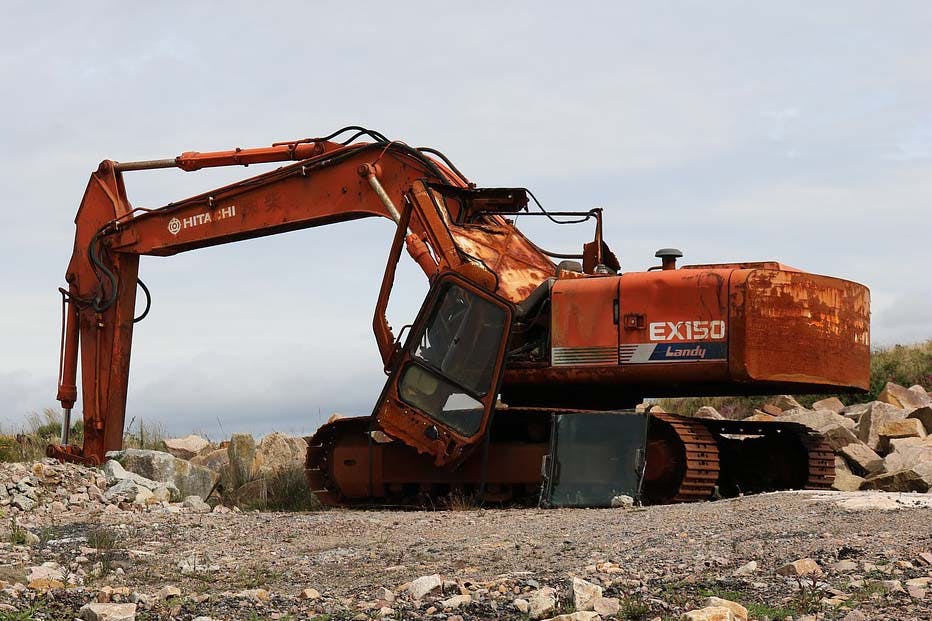
When building fluid and gas flow control applications, one must always take into consideration the possibility of the metal components and fittings becoming subject to corrosion. One must remember that refined metals, such as brass, steel, and stainless steel, are not naturally occurring. Hence, over time, they tend to corrode due to their tendency to revert back to their more stable mineral forms.
The process of corrosion is the gradual degeneration of refined materials, especially metals, due to various chemical or electro-chemical reactions occurring within their working environment. While corrosion is a natural and, hence, inevitable process, manufacturers of hydraulic flow control components and fittings must take corrosive tendencies and environments into consideration to ensure that their fluid flow control application does not easily become subject to damages.
This article will serve as a brief guide on how to deal with corrosive environments, by outlining what hydraulic corrosion is, and what material and environmental considerations need to be made in order to ensure the best possible corrosion resistance.
Hydraulic Corrosion
It must be noted that while most manufacturers do make key considerations to minimize the effects of hydraulic corrosion on their components, it is impractical to replace any one component at the very first sign of corrosion. However, once a single component in the system corrodes, this opens up the doors for corrosion of all the other components in the system, which can then occur at an accelerated rate.
Since corrosion can migrate from one hydraulic component to the other, fittings must be manufactured to resist hydraulic corrosion both from the inside as well as the outside. Furthermore, it is noteworthy that in an exceptionally corrosive environment, any and all metals are highly likely to become subject to hydraulic corrosion.
Hydraulic System Materials for Corrosion Resistance
There are various kinds of materials used in hydraulic systems applications. However, the materials chosen for a specific application must be judged based on a variety of factors. This includes the strength of the material, its resistance to corrosion, and the type of environmental conditions it will be functioning in.
Below are some of the most common materials used in hydraulic systems applications as well as the important characteristics of each one:
Steel
Being the most basic type of metal fitting, steel is strong, durable, and highly resistant to heat. However, steel is not very resistant to corrosion and is hence alloyed with other metals when used in hydraulic systems applications.
Carbon Steel
As an alloy of carbon and iron, carbon steel is typically also alloyed with other metals to increase its strength and durability. Carbon steel is ideal for both high temperature and high pressure working environments and hence does not become easily damaged under such severe conditions. This, alongside the low cost of carbon steel, makes this material widely used across several industrial, agricultural, and construction based hydraulic systems
Brass
Brass is an alloy of copper and zinc and is strong, durable, and highly resistant to corrosion. Moreover, brass has a vast range of temperatures that it can work in; from -325° to 400° F. Importantly, due to the ease of machinability of brass, the material is typically used for small compression and threaded fittings.
Aluminum
Aluminum is a refined metal alloyed with zinc, copper, silicon, manganese, and other metals which improve its strength, hardness, and durability. This material is usually characterized by its high tensile strength as well as its high resistance to corrosion. Moreover, aluminum is very common in applications where lightweight is an imperative part of the system.
Stainless Steel
Lastly, we come to stainless steel which is the most common type of metal hydraulic fitting. Stainless steel is a ferrous alloy with at least 10% added chromium. The material has the strength and durability of steel but is also highly resistant to corrosion, due to which it is used in a variety of hydraulic applications that function in severely corrosive environments. Moreover, stainless steel has a vast temperature range of -425° to 1200° F and most industrial stainless steel fittings can withstand pressures of up to 10,000 psi.
While all these factors make stainless steel a costly metal to manufacture with, many hydraulic systems applications require its high resistance to corrosion, extreme temperatures, and extreme pressures. Stainless steel fittings, therefore, figure into a variety of applications, including oil and gas offshore equipment, food manufacturing, chemical processing, marine applications, and medical applications.
Final Words
While there is a multitude of important factors to consider when choosing a type of material for the components of a specific hydraulic systems application, corrosion resistance is perhaps one of the most crucial. For this reason, it is essential that you understand the properties of each type of metal, the applications they are best used for, and the environments they are best used in.
Associated FAQs: Corrosion
Frequently Asked Questions
What causes corrosion in hydraulic fittings and adapters?
Corrosion in hydraulic fittings and adapters occurs when metal reacts with moisture, oxygen, chemicals, or other environmental contaminants. Exposure to saltwater, humidity, harsh chemicals, and incompatible fluids can accelerate deterioration.
Carbon steel fittings are especially susceptible to rust when protective coatings are damaged, while stainless steel provides greater corrosion resistance through its chromium-rich passive oxide layer.
Proper material selection and preventive maintenance help minimize corrosion and extend fitting service life.
How can you identify corrosion on hydraulic fittings before they fail?
Common signs of corrosion include rust, discoloration, pitting, surface flaking, and visible deterioration around threads or sealing surfaces.
Corrosion may also appear as deposits or staining near fitting connections. Routine inspections should focus on exposed metal surfaces, threaded connections, and areas where moisture accumulates.
If corrosion compromises a fitting's structural integrity or sealing surfaces, the component should be replaced with a properly rated alternative.
Are stainless steel fittings more corrosion-resistant than carbon steel fittings?
Stainless steel fittings generally provide greater corrosion resistance than unprotected carbon steel because chromium forms a protective passive oxide layer on the metal surface.
Carbon steel fittings typically rely on plating, coatings, or other protective treatments to resist rust. Stainless steel is often preferred in wet, chemical, or marine environments, while coated carbon steel may be economical in controlled industrial applications.
The best choice depends on exposure conditions, fluid compatibility, and operating requirements.
Why is stainless steel commonly used for fittings in saltwater environments?
Both 304 and 316 stainless steel offer strong corrosion resistance, but 316 stainless steel contains molybdenum, which improves resistance to pitting and crevice corrosion in many chloride-containing environments.
Grade 304 is commonly used in general industrial applications, while 316 is often selected for marine, coastal, chemical processing, and other demanding environments.
Neither grade is completely corrosion-proof, so material selection should consider chloride exposure, temperature, and application-specific conditions.
How can corrosion be prevented in industrial hydraulic systems?
Preventing corrosion begins with selecting fittings and adapters that are compatible with the operating fluid and surrounding environment.
Stainless steel components, properly coated carbon steel, and corrosion-resistant surface treatments can help protect exposed metal.
Additional preventive measures include controlling moisture exposure, maintaining clean hydraulic fluid, inspecting protective coatings, and replacing damaged fittings. Avoiding incompatible metal combinations and minimizing trapped moisture can further reduce corrosion risks.
What is galvanic corrosion, and how can it affect hydraulic fittings?
Galvanic corrosion occurs when two dissimilar metals are electrically connected in the presence of an electrolyte, such as water containing dissolved salts.
The less noble metal may corrode more rapidly, potentially damaging fittings, adapters, and connected equipment.
For example, connecting certain stainless steel and carbon steel components in wet environments can increase corrosion risks for the carbon steel. Using compatible materials, appropriate isolation methods, protective coatings, and proper drainage can help minimize galvanic corrosion.
More questions: Corrosion