How to Choose the Right Stainless Steel Pipe, Fittings, and Adapters
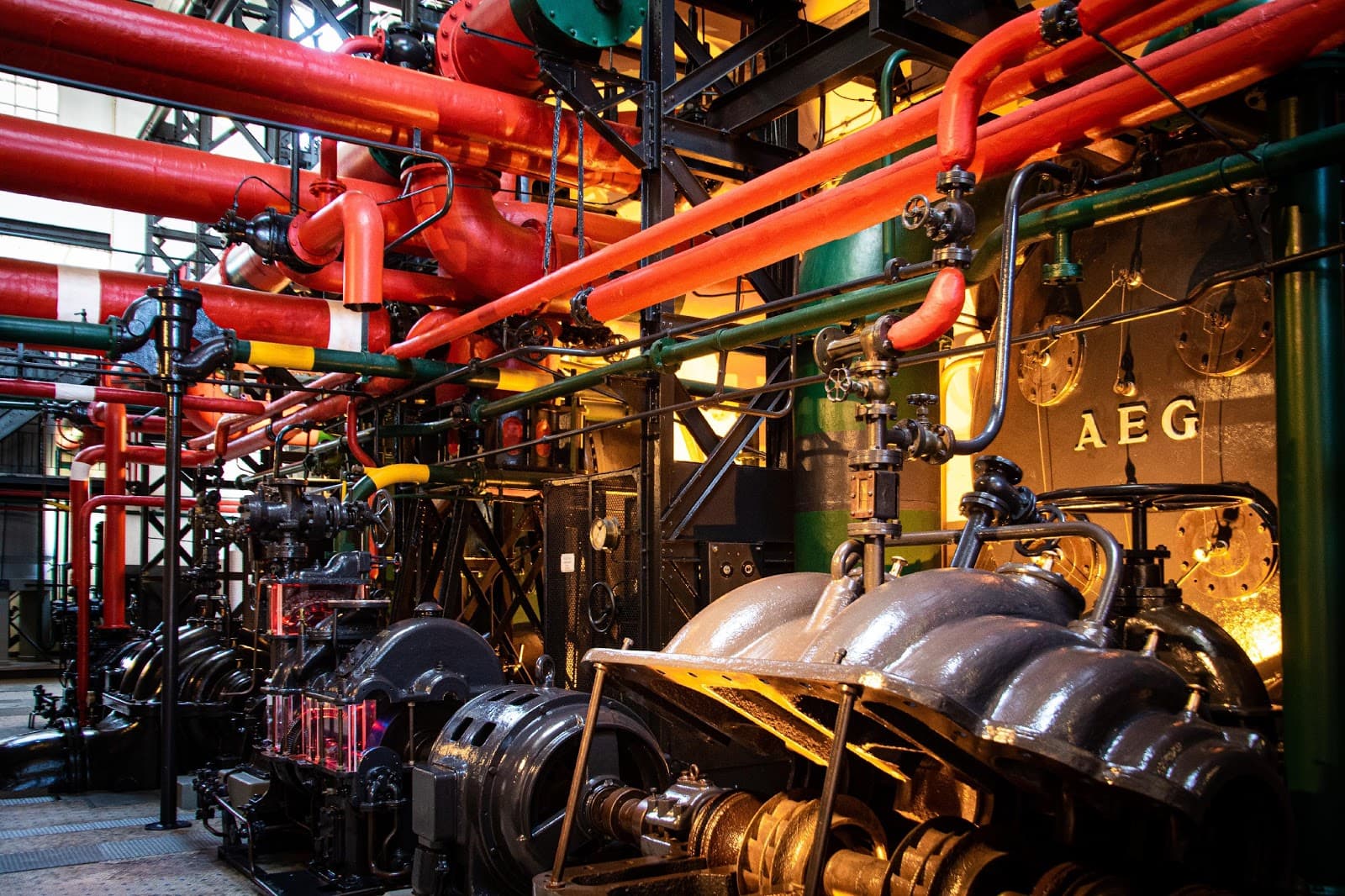
When it comes to designing the plumbing fluid conveyance system, several design considerations need to be accounted for beforehand. These factors influence the operation, maintainability, and possible downtimes of the system. Most medium to high-pressure systems rely on stainless steel piping, fittings, and adapters. How do you select the right part for the job? We explore the selection process while keeping in mind the factors that go into planning a plumbing system.
Choosing the Right Stainless Steel Pipe
Piping is a major component in processing plants like refineries, power plants, and chemical industries. It is imperative that the right size is chosen for the job. Knowing the pipe’s internal diameter helps you determine the fluid capacity and flow rate of the media carried for the process. Nominal pipe sizes (NPS) identify pipes’ outer diameter. Subtracting the internal diameter from the outer gives you an indication of the wall thickness (the schedule), which becomes important when pressure considerations come into play.
Material
Stainless steel pipes are available in different grades of steel. The one you select depends on your needs. The chemical properties of the fluid the pipes will carry may not be compatible with stainless steel piping and may corrode it from the inside. Similarly, the external environment may not favor the use of stainless steel pipes. In offshore environments, chloride salts seek to threaten the integrity of piping; hence, you may require 316 stainless steel piping as opposed to the more common 304 grade. A cost-benefit analysis may even allow you to use 304 steel, given that you apply necessary corrosion prevention methods, like painting or sacrificial coating on the pipe surface.
Seamless or Welded
Pipes are constructed via two methods. The first is seamless, whereby an ingot is pressed to a cylindrical shape after hot extrusion. In contrast, welded piping is rolled into a cylindrical shape and welded at the seams to make a hollow pipe. Welded piping has its merits when it comes to cost, durability, and availability. However, seamless piping is much more corrosion resistant and can withstand higher working pressure.
Choosing the Right Fittings and Adapters
Fittings and adapters are often referred to interchangeably with each other; however, their functions are different. Fittings attach piping to other plumbing components, like pumps, valves, flanges, hoses, etc. On the other hand, adapters are normally used to connect piping to other pipes or interchange the thread standard, from JIC to NPT, AN, Komatsu, NPS, etc.
Like the piping needs to be fluid compatible, fittings and adapters need to exhibit the same compatibility. Otherwise, fluid leaks and ruptures may become a common occurrence.
Make sure that you use the correct fitting for the job. It must be the same material type as the component it’s connecting to; otherwise, threads may break due to differences in hardness and expansion rates.
Speaking of threads, they must comply with the same standards. A male JIC connects to a female JIC component. Threading standards are different depending on where you operate; they may be tapered or straight, have different flare angles and sizes.
Frequently Asked Questions
What is the difference between stainless steel tubing and stainless steel pipe?
Stainless steel tubing and pipe differ primarily in how they are measured, specified, and used. Tubing is typically ordered by its exact outside diameter (OD) and wall thickness, making it suitable for precision instrumentation, hydraulic systems, and structural applications. Pipe is generally specified by nominal pipe size (NPS) and schedule, with emphasis on fluid transport and flow capacity. Tubing is available in round, square, and rectangular shapes, while industrial piping is typically round.
What is the difference between welded and seamless stainless steel tubing?
Welded stainless steel tubing is manufactured by forming stainless steel strip into a tube and joining its edges with a longitudinal weld. Seamless tubing is produced from solid steel stock without a longitudinal weld seam. Both types are used in industrial applications, but seamless tubing is often selected for demanding pressure and temperature conditions, while welded tubing can offer cost and availability advantages. Actual pressure capability depends on applicable standards, wall thickness, material grade, and manufacturing quality.
What is the difference between 304 and 316 stainless steel tubing?
Both 304 and 316 stainless steel tubing provide strength, durability, and corrosion resistance. Grade 304 contains chromium and nickel, making it suitable for many general industrial and processing applications. Grade 316 also contains molybdenum, which improves resistance to pitting and crevice corrosion in many chloride-containing environments. For coastal, marine, or certain chemical-processing applications, 316 is often preferred, while 304 may be a more economical choice for less corrosive environments.
What are the advantages of 304L and 316L stainless steel tubing?
Grades 304L and 316L are low-carbon versions of 304 and 316 stainless steel. Their reduced carbon content helps minimize chromium carbide precipitation during welding, reducing the risk of corrosion near welded joints. This makes them useful for welded tubing assemblies, instrumentation systems, and industrial processes where corrosion resistance is important. Grade 316L also offers improved resistance to many chloride-containing environments compared with 304L.
Is seamless stainless steel tubing better for high-pressure applications?
Seamless stainless steel tubing is frequently selected for high-pressure applications because it does not contain a longitudinal weld seam. However, properly manufactured and rated welded tubing can also perform reliably under pressure. The maximum allowable pressure depends on tubing dimensions, material strength, temperature, applicable standards, and fitting compatibility. Customers should verify the manufacturer's published pressure ratings rather than assuming seamless tubing is always stronger than welded tubing.
How do dual-ferrule instrumentation tube fittings work?
Dual-ferrule instrumentation fittings use two ferrules, a front ferrule and a back ferrule, to create a secure mechanical connection between tubing and the fitting body. As the fitting nut is tightened, the front ferrule forms the primary seal while the back ferrule grips the tubing to resist movement and pullout. This design provides reliable connections for properly specified industrial instrumentation, fluid handling, and high-pressure applications.
What is the purpose of the back ferrule in a dual-ferrule tube fitting?
The back ferrule provides mechanical tubing grip and helps maintain connection integrity in a dual-ferrule instrumentation fitting. During installation, it is driven against the tubing to develop a secure hold, helping the fitting resist vibration, pressure loads, and tubing movement. Back ferrules are often engineered with controlled hardness and material properties to provide effective gripping performance. Proper installation and material compatibility are essential for reliable operation.
How do you select the correct stainless steel tubing and fittings for an industrial application?
Selecting stainless steel tubing and fittings requires evaluating operating pressure, temperature, fluid compatibility, corrosion exposure, tubing outside diameter, and wall thickness. Grade 304 is suitable for many general industrial environments, while 316 or 316L may be preferred for more corrosive conditions. Welded and seamless tubing should be evaluated according to applicable pressure ratings and manufacturing standards. For instrumentation connections, properly matched dual-ferrule fittings can provide secure, leak-resistant performance when installed according to manufacturer specifications.
More questions: Tubing