Thermoplastic Hoses: The Car Wash Advantage
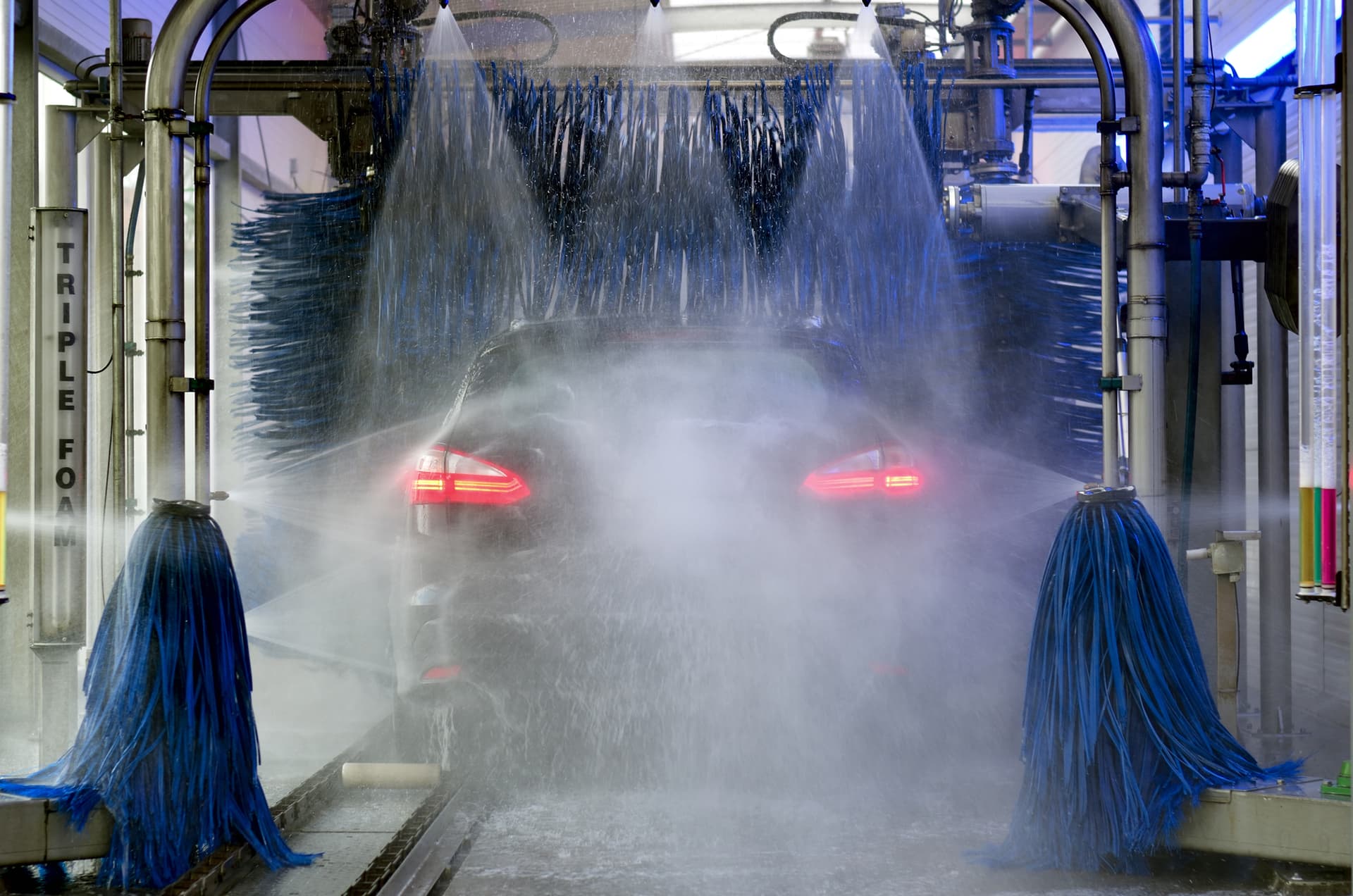
In the industrial hose market, a significant shift is taking place. Traditional rubber hoses, long the standard in various applications, are being increasingly overshadowed by their more advanced thermoplastic counterparts. This change reflects not only technological advancements but also the versatility and robustness that thermoplastic hoses bring, especially in car wash systems.
The Innovative Construction of Thermoplastic Hoses
Thermoplastic hoses are known for their exceptional contact strength between the core, braid, and jacket layers. This strength stems from the unique properties of thermoplastic materials. This construction is particularly advantageous in car wash applications, where hoses are regularly subjected to constant movement, as well as exposure to water, various chemicals, and fluctuating temperatures.
Why Thermoplastic Outperforms Rubber in Car Wash Systems
- Durability in Harsh Conditions: Car wash systems often involve exposure to harsh chemicals, high water pressure, and temperature fluctuations. Thermoplastic hoses are inherently more resistant to these factors than rubber hoses, which can degrade more rapidly under similar conditions.
- Flexibility and Kink Resistance: The dynamic environment of a car wash requires hoses that can flexibly navigate around vehicles and equipment without kinking. Thermoplastic hoses excel in this regard, maintaining a consistent flow of water and ensuring a longer hose life.
- Reduced Maintenance and Downtime: Thanks to their resistance to abrasion and various weather conditions, thermoplastic hoses are more durable in car wash environments. This leads to fewer replacements and less downtime.
Enhanced Safety and Efficiency in Car Wash Systems
- Small Inner Diameter (ID): The smaller ID of thermoplastic hoses is perfect for the precise control of water and cleaning solutions commonly used in car wash systems.
- Long Continuous Lengths: Being able to produce thermoplastic hoses in long continuous lengths is a significant advantage in car washes. This feature allows for seamless integration into the system without the need for multiple connection points.
- Lightweight and Easy Handling: Thermoplastic hoses are considerably lighter than spiral braided or rubber hoses, making them easier for car wash operators to maneuver, reducing physical strain and improving operational efficiency.
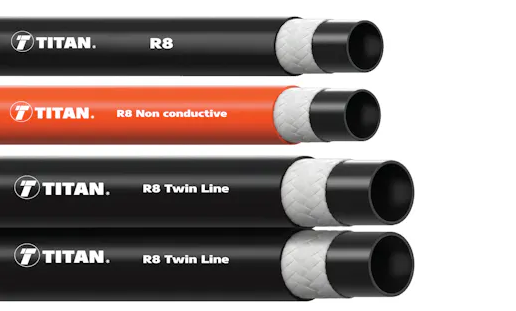
- Safety from Electronics: Non-conductive thermoplastic hoses present a significant safety advantage for car wash applications, where the risk of electrical hazards can be a concern. In a car wash environment, the combination of water, chemicals, and electrical equipment creates a scenario where the risk of electrical shock and short-circuiting is heightened. Non-conductive hoses, by their very nature, reduce the risk of electrical current transmission through the hose material.
The Car Wash Advantage: Thermoplastic Hoses vs. Spiral Braided Hoses
In addition to the benefits already discussed, it's crucial to compare thermoplastic hoses directly with spiral braided hoses in the context of car wash applications:
- Superior Flexibility and Maneuverability: Thermoplastic hoses offer greater flexibility, essential for the constant and varied movements required in a car wash.
- Better Resistance to Abrasion: These hoses withstand the frequent contact and rubbing against various surfaces, a common occurrence in car washes.
- Chemical Resistance: Thermoplastic materials generally exhibit superior resistance to the wide range of chemicals used in car washes.
- Ease of Maintenance: Thermoplastic hoses are easier to inspect and maintain compared to spiral braided hoses, ensuring quicker identification and resolution of any wear or damage.
Conclusion
The adoption of thermoplastic hoses in car wash systems clearly demonstrates their superiority over traditional rubber and spiral braided hoses. Offering enhanced flexibility, chemical resistance, and durability, thermoplastic hoses not only elevate the efficiency of car wash operations but also contribute to a safer, more sustainable, and cost-effective business model. For more information on how thermoplastic hoses can transform your car wash system, contact us or visit our website. Engineered for the highest durability, flexibility, and efficiency, our hoses are specifically designed to meet the rigorous demands of car wash environments. With Titan Fittings, you’re not just purchasing a hose; you're investing in a solution that brings unparalleled value and performance to your business.
Frequently Asked Questions
How does temperature affect the lifespan of hydraulic hoses?
Temperature significantly affects hydraulic hose performance and service life. Excessive heat can accelerate deterioration of the inner tube, reduce flexibility, and weaken hose materials.
Repeated temperature fluctuations cause expansion and contraction, increasing the risk of cracking, fatigue, and leaks.
Operating hydraulic hoses within their specified temperature ratings, maintaining proper fluid temperatures, and performing regular inspections can help extend their service life and prevent unexpected failures.
What is the difference between hydraulic hoses and coolant hoses?
Hydraulic hoses are typically designed to transport pressurized hydraulic fluids, including petroleum-based oils, while coolant hoses are engineered to handle water-based fluids, glycol mixtures, and other cooling solutions.
Their inner tube materials, reinforcement, and chemical compatibility requirements may differ. Some rubber compounds suitable for hydraulic oil can deteriorate when exposed to water-based coolants.
Selecting a hose specifically rated for the operating fluid, pressure, and temperature is essential for preventing leaks and premature failure.
What type of hose is best for glycol-based and water-based coolant systems?
Hoses constructed from chemically compatible materials, such as appropriately formulated EPDM or silicone, are commonly used in glycol-based and water-based cooling systems.
EPDM often provides good resistance to water and certain glycol mixtures, while silicone offers flexibility across a broad temperature range.
However, suitability depends on the specific coolant formulation, operating pressure, temperature, and hose construction. Always verify the manufacturer's chemical compatibility specifications before selecting a coolant hose.
Why are flexible hose connections important in data center liquid cooling systems?
Flexible hose connections accommodate misalignment, thermal expansion, and vibration between cooling headers and server racks.
Unlike rigid piping, flexible hoses allow movement without transferring excessive mechanical stress to fittings, valves, and connections.
They also simplify installation and maintenance in confined rack spaces. Properly designed flexible hose assemblies help reduce the risk of fatigue, leaks, and connection damage while supporting reliable coolant circulation in liquid-cooled data centers.
How do you prevent leaks and premature failure in hydraulic and coolant hoses?
Preventing hose failure begins with selecting materials compatible with the operating fluid, pressure, and temperature. Proper installation is equally important, including maintaining the manufacturer's minimum bend radius, avoiding twisting, supporting hose assemblies, and preventing abrasion against surrounding equipment.
Regular inspections can identify cracking, swelling, leaks, and damaged fittings before major failures occur. Using correctly rated fittings and maintaining stable operating temperatures also helps extend hose life.
How do you select the correct flexible hose for a data center rack drop?
Selecting a flexible hose for a data center rack drop requires evaluating coolant type, flow rate, operating pressure, temperature, hose length, and installation geometry.
The hose must accommodate movement between the cooling header and rack without exceeding its minimum bend radius or placing excessive stress on end fittings. Material compatibility with deionized water, glycol blends, or other approved coolants is essential.
Properly matched stainless steel fittings and secure hose support can further improve connection reliability and reduce maintenance requirements.
More questions: Hoses