What is a Hydraulic Flange? - A Comprehensive Guide
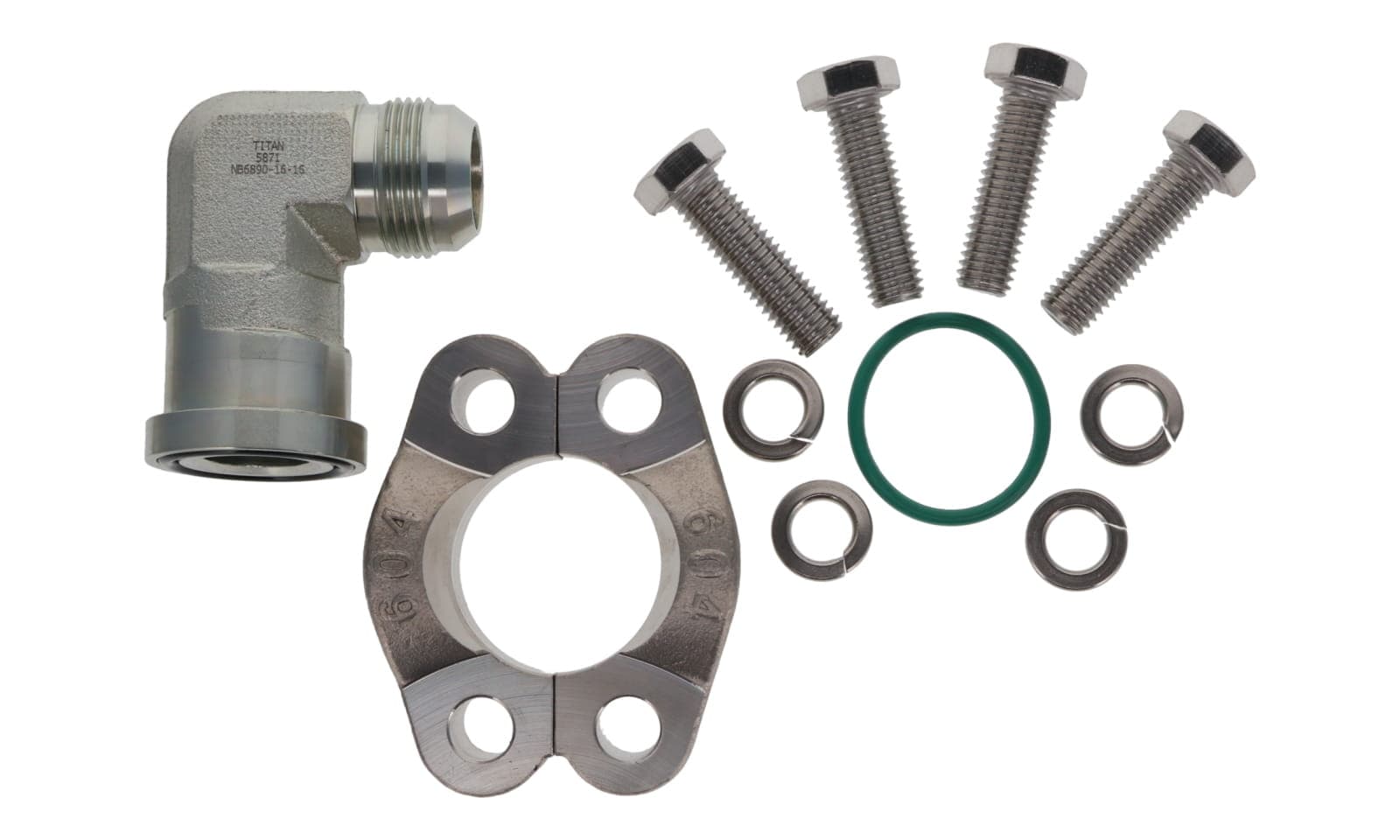
Hydraulic systems, like those in industrial machinery, need secure, leak-proof connections. One key component in ensuring this is the hydraulic flange. This guide explains what a hydraulic flange is, its types, and its role in these systems.
Understanding Hydraulic Flanges
A hydraulic flange or flange adapters connect different parts in a hydraulic system, such as pipes and hoses. They are designed to handle high pressures and tough conditions, making them crucial for systems where preventing leaks is essential.
Different Types of Hydraulic Flanges and Their Applications
Hydraulic flanges are used widely in heavy machinery where connecting a hose to a block is critical. There are many different types of flanges used in the machinery world but the most common ones are Code 61, Code 61, Caterpillar, Kumatsu, Volvo. The most widely used flanges are Code 61 and Code 61. The main difference between the two types is the pressure rating required. Code 62 flanges are rated to a higher pressure rating than Code 61 and are typically bulkier fittings.
The Role of Hydraulic Flanges in System Efficiency and Safety
Hydraulic flanges are vital for the proper functioning of a hydraulic system. They ensure tight connections to prevent fluid leaks, which is important not only for the system's efficiency but also for safety reasons. A well-maintained flange helps avoid system failures and environmental hazards.
Installing and Maintaining Hydraulic Flanges
Installing a hydraulic flange requires careful alignment and tightening. Typically a code 61 or code 61 flange is tightened onto a block using a split flange. Bolts and a washer is used to tighten the split flange onto the block. An o-ring is normally seated between the connection of the flange and the block.
Selecting the Appropriate Hydraulic Flange for Your Needs
Choosing the right hydraulic flange involves considering the hydraulic fluid, operating pressure, and temperature of your system. Getting advice from specialists can be helpful in making the best choice for your specific needs. They flange type is often specified by the manufacturer.
Conclusion
A hydraulic flange is a small but essential part of a hydraulic system, crucial for maintaining leak-proof connections between hoses and blocks.
For more information or advice on selecting the right hydraulic flange, visit Titan Fittings.
Frequently Asked Questions
What are sanitary fittings, and where are they commonly used?
Sanitary fittings are specially designed connectors used in industries requiring strict hygiene and contamination control, including food processing, beverage production, pharmaceuticals, and personal care manufacturing.
They feature smooth internal surfaces, corrosion-resistant materials, and designs that minimize areas where bacteria or residue can accumulate.
Sanitary fittings are commonly used to connect process tubing, valves, pumps, and other fluid-handling equipment while allowing convenient cleaning and maintenance.
What is the difference between sanitary fittings and standard pipe fittings?
Sanitary fittings are engineered for applications where cleanliness and product purity are essential.
Unlike many standard pipe fittings, sanitary fittings feature smooth internal surfaces and connection designs that minimize crevices and product buildup.
Standard pipe fittings are primarily selected based on pressure, temperature, and mechanical requirements, while sanitary fittings must also satisfy hygienic design and cleanability requirements. Sanitary fittings are often made from polished stainless steel and are commonly used in food, beverage, and pharmaceutical processing.
What are Tri-Clamp sanitary fittings, and how do they work?
Tri-Clamp sanitary fittings, also commonly called Tri-Clover-style fittings, connect two sanitary ferrules using a gasket and external clamp.
The gasket creates the seal between the ferrule faces, while the clamp secures the connection. This design allows connections to be assembled and disassembled without welding or threaded engagement.
Tri-Clamp fittings are widely used in hygienic processing systems because they provide convenient access for inspection, cleaning, and equipment maintenance.
Why is stainless steel commonly used for sanitary fittings and valves?
Stainless steel is widely used for sanitary fittings and valves because it offers corrosion resistance, durability, and compatibility with many cleaning processes.
Grades 304 and 316L are commonly used in hygienic applications, depending on the operating environment and fluid chemistry. Stainless steel surfaces can also be polished to reduce roughness and make cleaning easier.
However, material selection should account for temperature, pressure, cleaning chemicals, and product compatibility to ensure reliable operation.
What is surface roughness (Ra), and why is it important for sanitary fittings?
Surface roughness, measured as Ra, describes the average microscopic irregularities on a material's surface.
Lower Ra values generally indicate smoother surfaces, which can help reduce product buildup and make sanitary fittings easier to clean. Food, beverage, and pharmaceutical applications may require specific surface finishes to meet hygienic processing standards.
The appropriate Ra specification depends on the industry, product, cleaning method, and applicable sanitary design requirements.
Can hydraulic flanges be used instead of sanitary fittings?
Hydraulic flanges and sanitary fittings serve different purposes and should not be considered interchangeable.
Hydraulic flanges are engineered to provide mechanically secure connections in pressurized hydraulic systems, often using bolts and O-ring seals. Sanitary fittings prioritize hygienic design, smooth product-contact surfaces, and ease of cleaning.
Standard hydraulic flanges may contain crevices, threaded areas, or sealing arrangements unsuitable for sanitary processing. Hygienic applications should use connections specifically designed and approved for their cleanliness, pressure, and material requirements.
How do you clean and maintain sanitary fittings to prevent contamination?
Sanitary fittings should be cleaned using procedures appropriate for the process, such as Clean-in-Place (CIP) or manual disassembly and cleaning.
CIP circulates approved cleaning solutions through the system without requiring complete dismantling, provided the equipment is designed for effective cleaning.
During maintenance, inspect gaskets, clamps, ferrules, and sealing surfaces for wear, corrosion, or residue buildup. Replace damaged components and verify that all materials are compatible with cleaning chemicals and operating conditions.
More questions: Sanitary Fittings